4.50
(2 Ratings)

Occupational Skills Programme: Provide First Aid as an Advanced First Aid Responder
Categories: Occupational Skills
Wishlist Share

About Course

This unit standard is to enable the first responder to react to emergencies at an advanced first aid level, until the arrival of more professional emergency personnel.

This course is for professionals currently employed, that respond to emergencies regularly for work (firemen, police, security) or people that are part of Community Response Teams (CPF etc.), where they require QCTO/NQF credits for the company’s Skills Development Levy, or for learners that require QCTONQF credits to go towards a bigger qualification/Skills Programme.

The first aid NQF level 3 course is an advanced first aid course and it, therefore, is longer in duration on both facilitation and on-the-job workplace practical requirements. The first aid training is at a more advanced level and focuses on priority treatment topics such as primary and secondary surveys and bleeding control management, etc.

NB: The certificate of competence associated with this Skills Programme will be valid for only three years to ensure the holder’s continued competency through regular re-assessment.

Show More

What Will You Learn?

  • Explaining the principles of advanced first aid in emergencies.
  • Demonstrating an advanced level of preparedness to deal with sudden illness or emergency.
  • Assessing and managing an emergency scene/disaster.
  • Describing the anatomy and explaining the physiology of the human body systems in terms of injury or sudden illness.
  • Applying primary first aid for all age groups according to accepted current first aid protocols.
  • Explaining and managing shock.

Course Content

Field of Work You Can Do
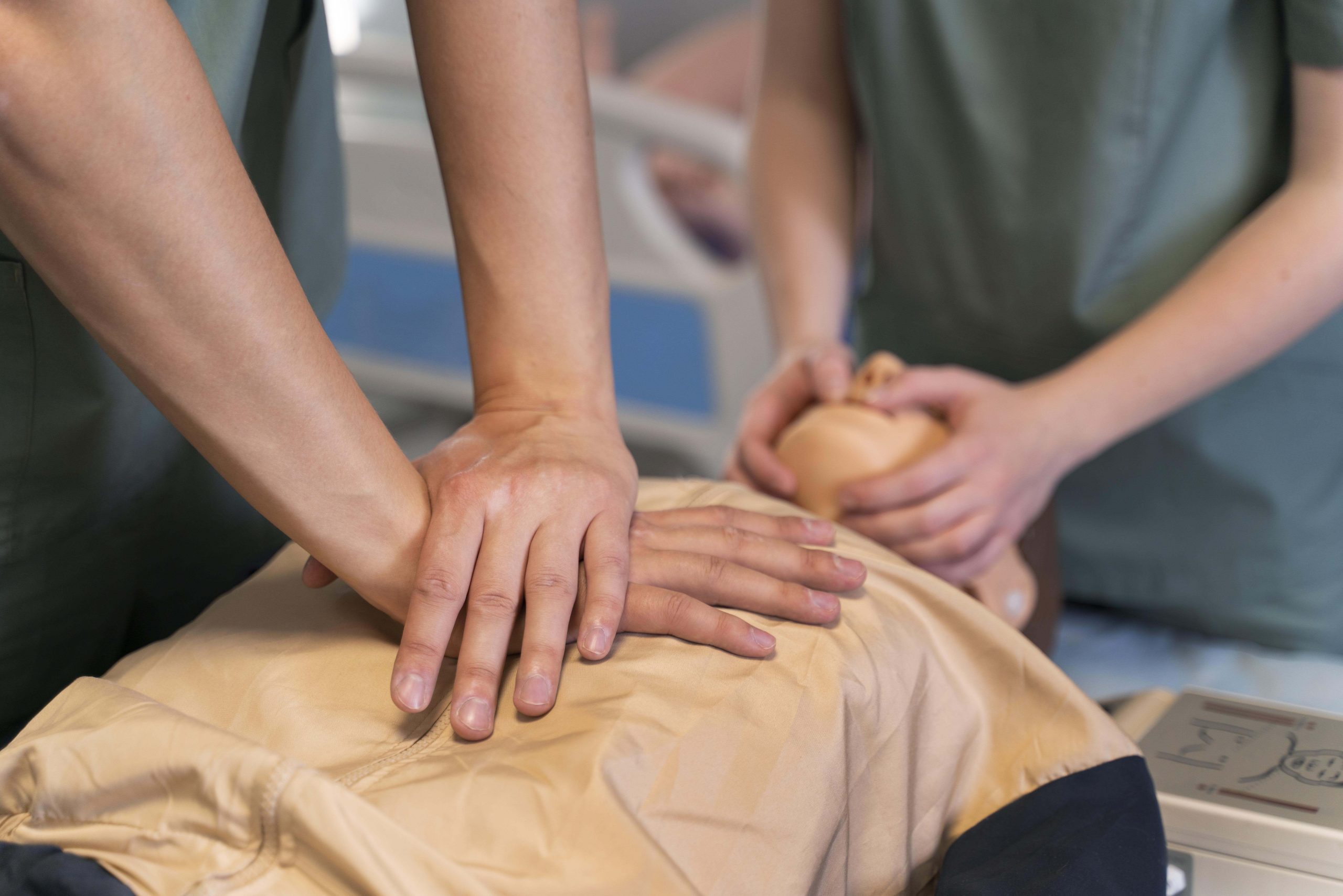
Training includes assessing incident scenes for potential hazards, ensuring responder safety, managing bystanders, and supporting ongoing scene safety. Advanced CPR and AED Techniques: Learners are taught advanced CPR methods, including the use of automated external defibrillators (AEDs) and specialized resuscitation equipment across different age groups. Airway and Breathing Management: Skills include advanced airway management techniques, using oxygen therapy, bag-valve masks, and performing interventions for severe respiratory distress and choking incidents. Hemorrhage Control and Wound Care: This training covers handling catastrophic bleeding, severe burns, and complex wounds, using advanced methods such as hemostatic dressings and tourniquets. Management of Complex Trauma: Learners practice handling spinal, head, chest, and abdominal injuries, using advanced splinting, immobilization, and monitoring techniques. Environmental and Chemical Injury Response: Students are trained to manage thermal (burns and frostbite), chemical, radiation, and electrical burns, utilizing specialized techniques to protect both the patient and responder. Medical Emergencies: Practical sessions cover advanced response for medical emergencies, such as stroke, anaphylaxis, diabetic emergencies, seizures, asthma, and cardiac events, ensuring life-sustaining care until professional help arrives. Emergency Childbirth: Students learn techniques to assist with emergency childbirth, ensuring the safety and well-being of both mother and child during delivery. Simulation and Role-Play: Scenarios simulate real-world emergencies, with learners practicing response strategies under realistic conditions, including time constraints and stress factors.

Integrated Assessments
Formative and Summative Assessments: Continuous assessments are conducted to ensure knowledge retention and application. Summative assessments involve practical simulations where learners must demonstrate proficiency in advanced first aid tasks, integrating theoretical knowledge with hands-on skills. Final Integrated Supervised Assessment (FISA): This comprehensive assessment covers the entire curriculum, requiring learners to perform under simulated emergency conditions. Participants must demonstrate competency in scene assessment, patient stabilization, advanced intervention techniques, and appropriate handover protocols.

Assessment and Documentation
Communication and Patient Handover: Effective communication is emphasized, preparing learners to document patient conditions and interventions accurately and relay essential information to emergency medical services. Post-Incident Cleanup and Reporting: Aftercare protocols are covered, including cleaning the scene, restocking first aid supplies, and completing all necessary documentation for legal and organizational purposes.

Student Ratings & Reviews

4.5
Total 2 Ratings
5
1 Rating
4
1 Rating
3
0 Rating
2
0 Rating
1
0 Rating
7 years ago
The course is extraordinary!!
It explains everything from A to Z regarding Nutrition and also there are some very valuable workout tips.
Great job!
7 years ago
Absolutely fantastic!! Thanks so, so much Felix for your concise, practically useful and well informed course.